10 Year Impact Series: Expanding Mental Health Support Across South East Melbourne
Home / News & Opportunities / Latest news / Current post
The next feature in our 10 Year Impact Series explores how mental health support has expanded across south east Melbourne, highlighting key initiatives and outcomes.
Back in 2017-18, data showed 40% of south east Melbourne residents—almost 300,000 people at the time—had mental health needs. Only half were seeking help. South Eastern Melbourne PHN (SEMPHN) responded with a $25 million investment and a new way of delivering care.
The Stepped Care Model now guides every referral, matching people to the most appropriate support and reducing wait times. SEMPHN’s Access and Referral hub coordinates all entries into commissioned mental health services, while Accessible Psychological Interventions (API) provides psychological intervention to give low-income earners free therapy close to home.
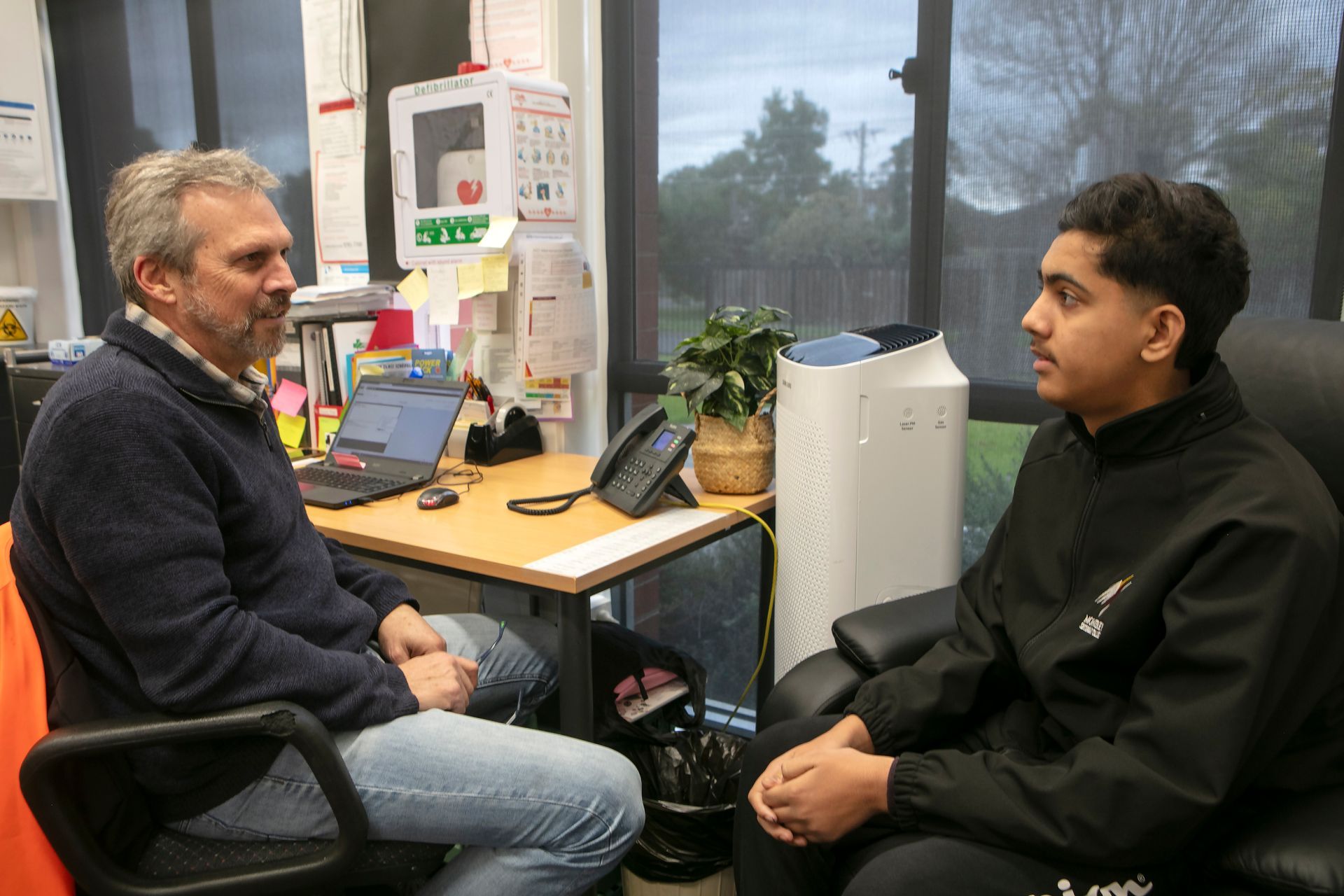
For residents with severe and complex conditions, Mental Health Integrated Complex Care (MHICC) provides wrap-around clinical and psychosocial support. We also worked with headspace Narre Warren and Frankston to pilot intensive youth programs, filling a critical gap for young people in distress.
This initiative—part of our 10 Year Impact Series—shows how targeted investment and local partnerships can turn data into better mental-health outcomes for the community.
Latest news