Support resources for natural disasters and health emergencies
PHNs have a role in coordinating local primary health care response in case of a natural disaster, health emergencies or other significant events affecting our south-east region.
Planning plays a key part in ensuring best distribution of resources in a natural disaster or health emergency. This includes working alongside the Victorian Government’s Department of Health and the Australian Government’s Department of Health, Disability and Ageing for health emergency preparedness, planning and coordination.
Find out more about our role in emergencies, or volunteer to assist in case of emergency, here.
Preparedness is key in case of natural disasters or health care emergencies. This ensures all staff and services are ready to respond. The below resources focus on natural disasters and emergency health topics that may be useful in preparing for such a scenario.
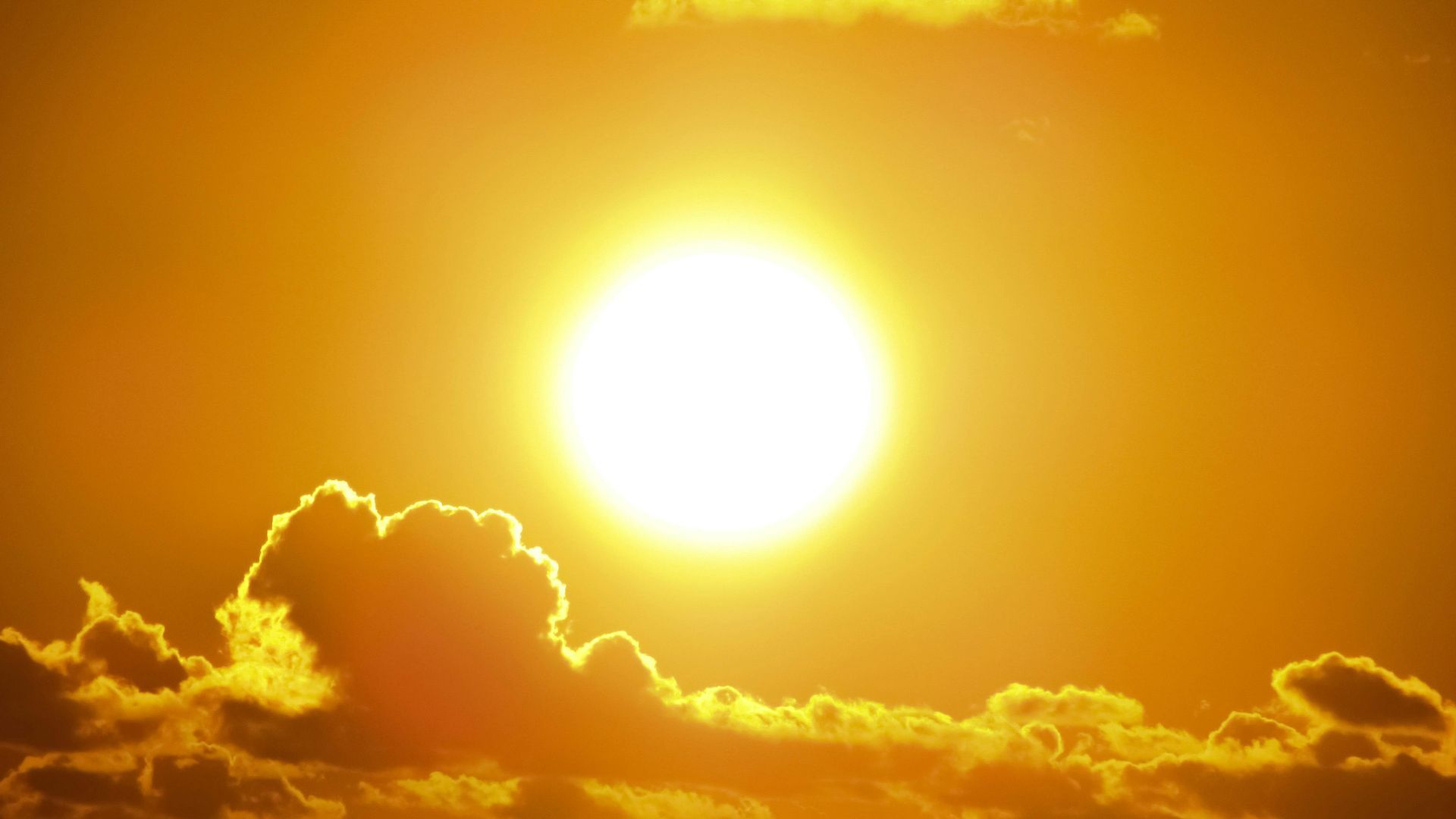
Extreme Heat
Extreme heat and heatwaves have led to serious health consequences. Victoria is experiencing increased heatwave frequency, intensity and duration which is likely to increase in the coming decades.
Extreme heat can have serious and sometimes life-threatening impacts on communities, often exacerbating existing challenges. Some social groups or individuals with specific health issues may be at increased risk. Social isolation and language barriers may further prevent people from seeking help or understanding forecasts or public health warnings.
People more at risk from the effects of extreme heat include, but are not limited to:
• People of a certain age or life stage, such as senior citizens or young children
• People with existing health conditions, injuries, disorders or other health issues
• People taking medications that may affect the way the body reacts to heat, or taking medications requiring storage at a certain temperature
• People with particular social or economic circumstances
• People outdoors during extreme heat.
While preventing extreme heat is not feasible, adaptation and control measures at state, regional, local, community, and individual levels are essential to reducing the consequences. More details can be found in the State Emergency Management Sub-Plan on Extreme Heat.
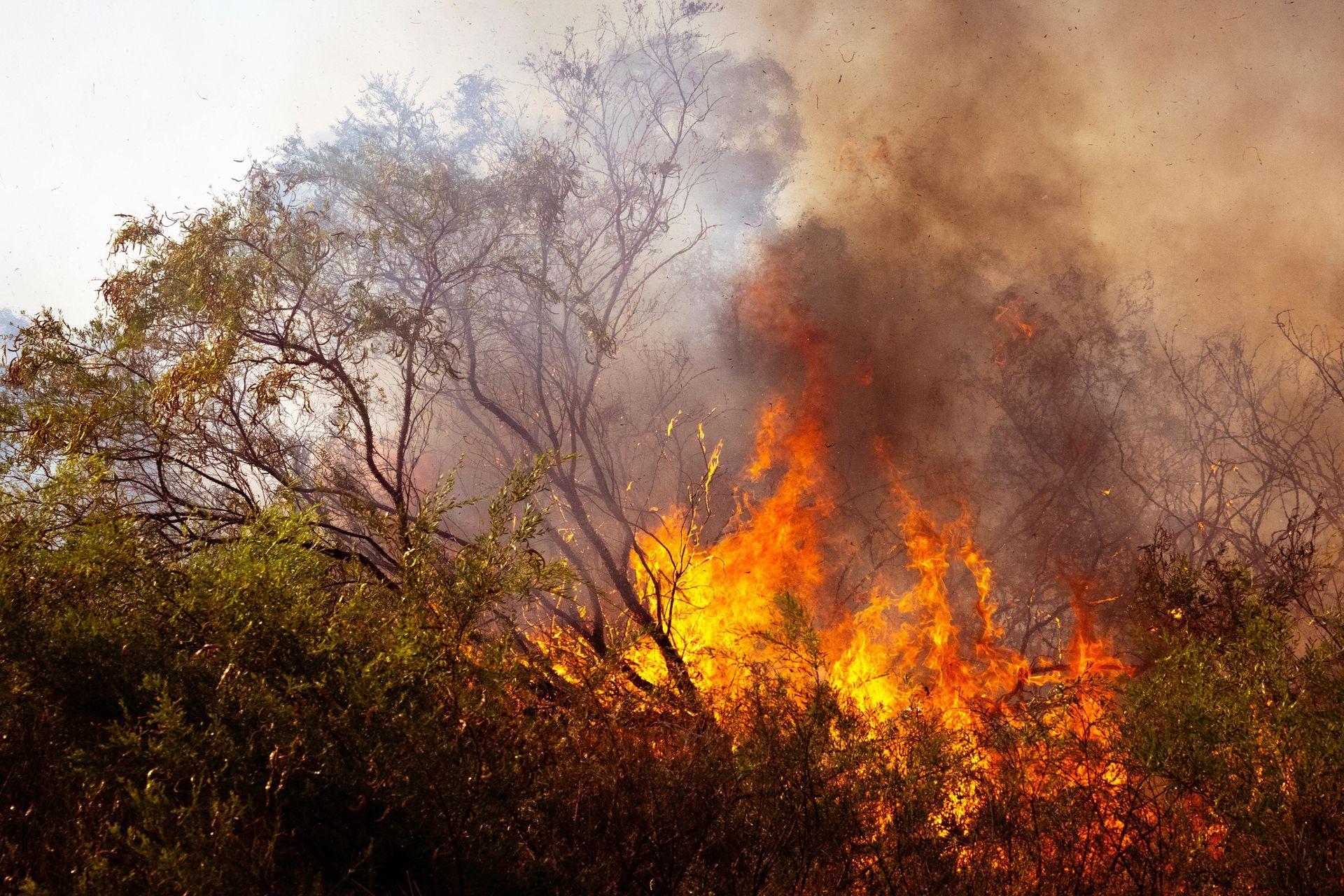
Bushfire
Victoria is one of the most bushfire-prone areas in the world and has regular bushfires. The last two decades have seen a dramatic increase in the number, size, extent and severity of bushfires.
In Victoria, the fire season is now starting at least a month earlier than it was in the 1990s and an increase in the number of days with an elevated fire behaviour index is having an impact on the fire activity we are experiencing. Models of future climate show that this pattern is likely to continue – conditions will be hotter, drier and with more extreme weather events. This will have flow on effects to the safety of the community and firefighters.
Health Monitoring helps mitigate health risks to responders and identify those who may be at risk of adverse health outcomes as a result of their response to an emergency incident. It includes taking vital signs, and the assessment of presenting symptoms and relevant medical history to determine if a person’s health is impacted by their involvement in incident response. All personnel attending and working at bushfires are strongly encouraged to undertake health monitoring to support their health and welfare.
Bushfires have potentially significant impacts on community, including impacting people’s social, emotional and physical wellbeing.
More details can be found in the State Emergency Sub-Plan on Bushfire.
Earthquake
Victoria regularly experiences small earthquakes that are felt and reported, and on occasions has experienced moderate sized earthquakes that have caused minor damage, community concern, and short-term disruption. These develop due to stresses and strains in the Indo-Australian plate.
Earthquakes have the potential to cause catastrophic impacts and consequences for communities. Although Australia is popularly considered to have a low earthquake risk, a major earthquake could still occur under a heavily developed and populated area in Victoria.
The impact of such an earthquake could have widespread consequences throughout developed and populated cities and towns and could felt across jurisdictional boundaries and earthquakes in other states/territories may be direct or indirect impacts in Victoria.
Casualties and injuries are likely to result from large damaging earthquakes. People may also become trapped requiring rescue. The ability for health services such as Ambulance Victoria, Health Services and General Practitioners (GPs) to respond may be impacted by damage or destruction of facilities such as hospitals, clinics or branches. Secondary public health impacts may occur if essential services are not readily available after the impact of an earthquake.
More details can be found in the State Emergency Management Sub-Plan on Earthquake.
Flood
Flooding in Victoria is influenced by our variable climate, typified by periods of wet and dry conditions. On annual and seasonal timescales, rainfall in Victoria is influenced by the complex interactions of the global climate.
Localised intense heavy rainfall over a short period of time can cause flash flooding to occur within minutes to hours. As there is little warning time, flash flooding is difficult to predict and manage. Flash flooding has occurred with significant consequences in regional urban areas. In larger catchments, riverine flooding can occur over several days to weeks and are easier to forecast and manage.
Flooding has potentially significant impacts on community, including impacting people’s social, emotional and physical wellbeing.
More details can be found in the State Emergency Sub-Plan on Flood.
Health Emergencies
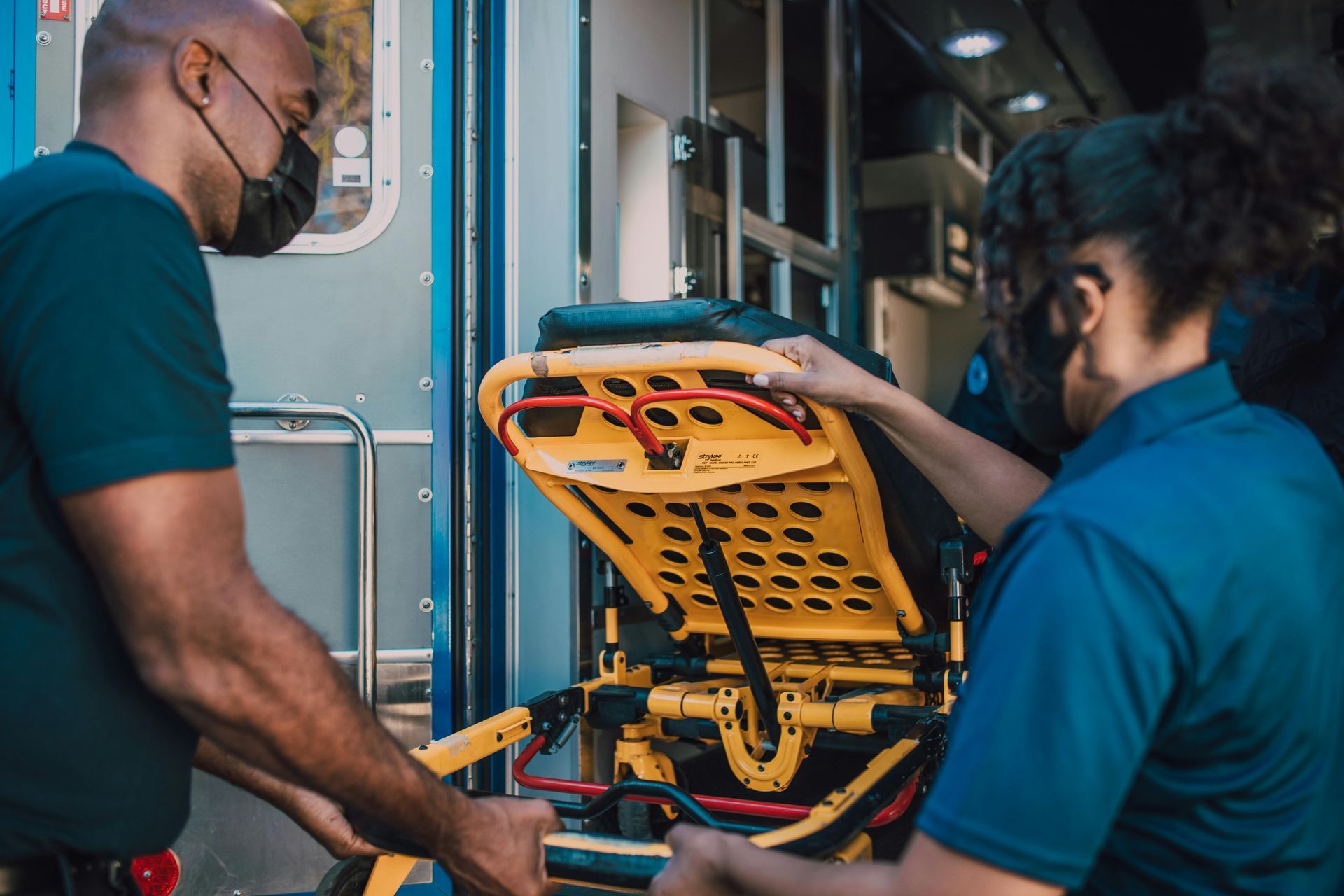
A health emergency is an emerging or actual, threat or risk to the health and wellbeing of the Victorian community, that requires a significant and coordinated effort from the health system and others to ensure an effective response to, and recovery from, the emergency. Health emergencies may result from a range of hazards, including (but not limited to):
• Natural hazards such as bushfire, flood, storm, tsunami, earthquake, heatwave
• Industrial fires
• Explosions and accidents
• Disruptions to critical infrastructure and essential services such as electricity, gas, telecommunications networks and cloud service provider outages
• Biological releases or radioactive materials incidents
• Food or drinking water contamination
• Cybersecurity threats
• Human disease and epidemics
These hazards can be interconnected and can directly or indirectly lead to significant health and health system consequences.
All emergencies can affect health services, either directly or indirectly. Health emergencies, such as a pandemic, pose immediate threats to public health and require a health-led response. Other emergencies may result in health consequences or health impacts, such as widespread respiratory issues from bushfire smoke, or the loss of access to health services due to infrastructure damage from floods.
More details can be found in the State Emergency Sub-Plan on Health Emergencies.
Storm (including thunderstorm asthma)
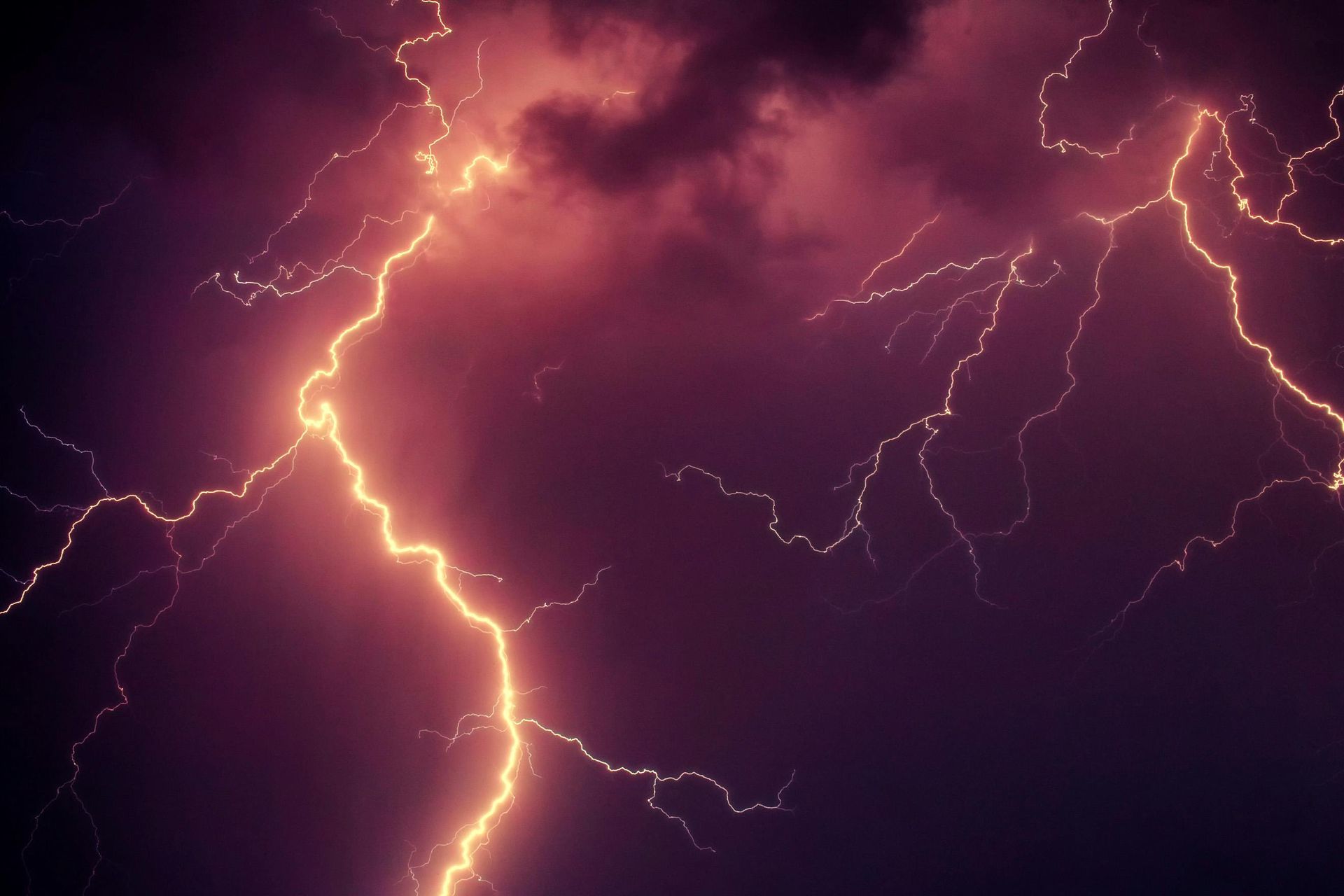
Intense, short duration rainfall events in Victoria are becoming more frequent and more intense, particularly in the warm season. Research by the Bureau of Meteorology and others suggests that short duration events produced by thunderstorms could potentially increase in intensity by about 15 per cent per degree of global warming in Australia.
This increases both the likelihood of severe weather-related floods, and the severity of these floods when they happen. In urban areas flood risk is likely to increase as roads, paving and buildings prevent the water being absorbed. The resulting flash flooding caused by heavy, short-duration rainfalls may negatively affect urban areas and infrastructure and disrupt essential water and wastewater services.
As explained in Victoria’s Climate Science Report 2024 , “Higher global temperatures are increasing the frequency and severity of extreme weather...higher temperatures increase the amount of atmospheric moisture available to generate storms”. This means that storms may be more intense in future.
Storms have the potential to affect electricity supplies across the state, and in some instances lead to widespread and prolonged power outages affecting many people. Some of the most at risk people during such outages are customers on life support, including customers dependent on ventilators or other medical devices, and rely on electricity for medical reasons.
Additionally, epidemic thunderstorm asthma (ETSA) is an outbreak of asthma symptoms that occurs when a large number of people develop asthma symptoms over a short period of time, triggered by a combination of high grass pollen levels and a specific type of thunderstorm.
More details can be found in the State Emergency Sub-Plan on Storms.
Viral (Respiratory) Pandemic
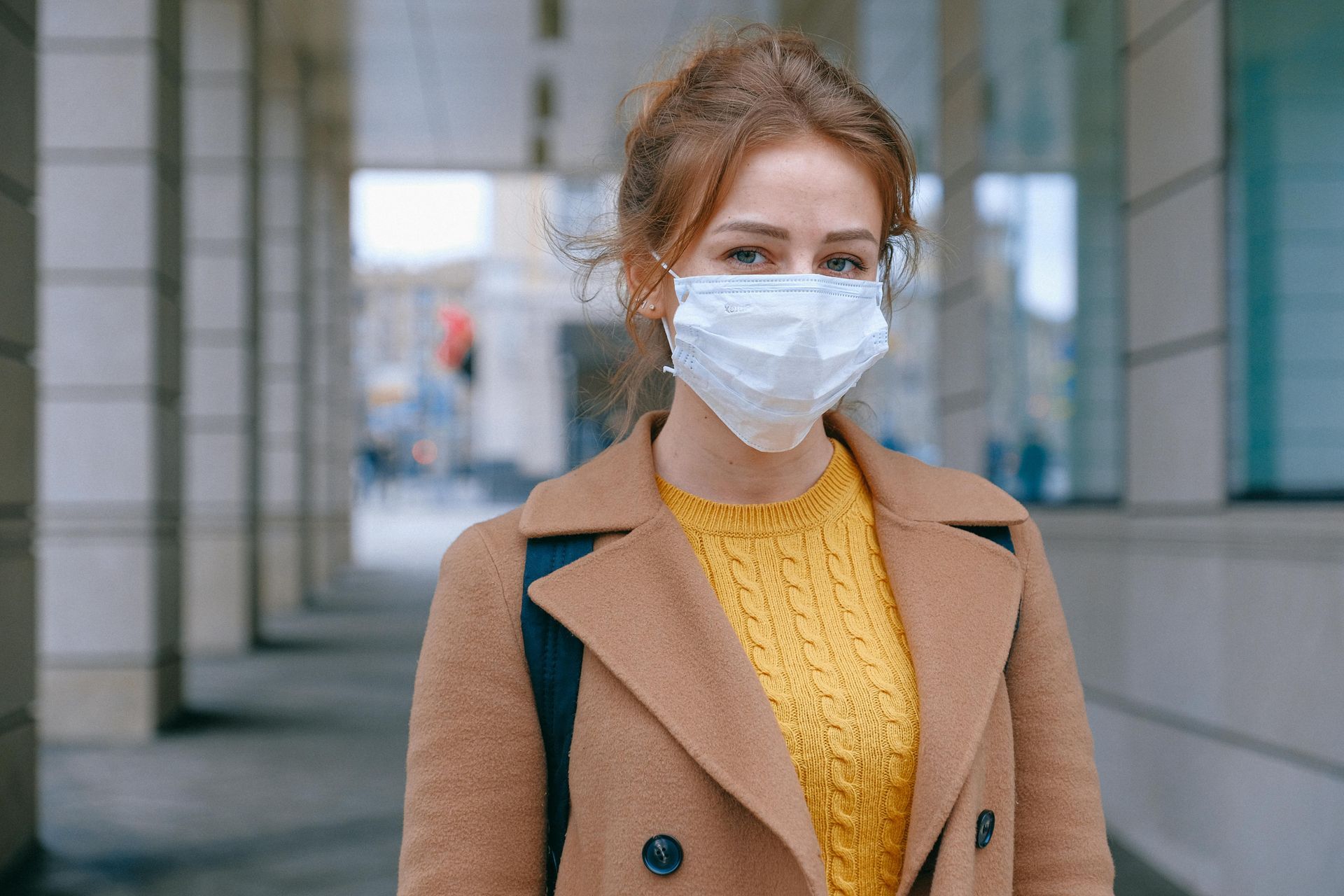
A pandemic caused by a novel respiratory virus is a significant risk to everyone in Victoria, given people will have little or no pre-existing immunity to the virus. It has the potential to cause high levels of morbidity and mortality, challenge the ability of the state health system to cope, and disrupt the community socially and economically. At risk communities are disproportionately impacted by the health impacts of pandemics and activities should be prioritised towards these groups.
A pandemic will be prolonged, lasting several months or years. Respiratory viruses have the greatest potential to cause pandemics, due to the strong link between the emergence of a novel pandemic strain of virus, the human–animal transmission interface and transmission properties of respiratory viruses. Influenza and coronaviruses have high genetic mutation rates, which creates a significant potential for the emergence of new (novel) viral strains infectious to humans.
Pandemic mitigation, preparedness, response, and recovery should involve a continuous process of planning and implementation that reflects the learnings from training, exercises, and experiences.
Clinical severity is likely to change during different phases of a pandemic and depends on viral mutations and the availability and efficacy of pharmaceutical interventions.
The health sector is responsible for preparedness and mitigating pandemic risks to the Victorian community and the sector itself.
More details can be found in the State Emergency Sub-Plan on Viral (Respiratory) Pandemic.