New Carnegie Medicare Urgent Care Clinic expanding access to timely, bulk-billed care
Home / News & Opportunities / Latest news / Current post
Walk-in service already supporting local patients and helping reduce emergency department demand
South Eastern Melbourne Primary Health Network (SEMPHN) welcomes the opening of the Carnegie Medicare Urgent Care Clinic (UCC), now providing free, GP-led urgent care to the local community.
The Carnegie clinic is one of four new Medicare UCCs recently opened across south east Melbourne — alongside services in Sandringham, Somerville and Pakenham — as part of the Australian Government’s national rollout of Medicare Urgent Care Clinics. The program is delivering 50 new clinics across Australia, including 12 in Victoria, to improve access to timely care and help reduce pressure on emergency departments.
With the opening of these services, SEMPHN now commissions eight Medicare Urgent Care Clinics across the region. In addition to the new clinics, existing clinics operate in Prahran, Dandenong, Narre Warren and Frankston.
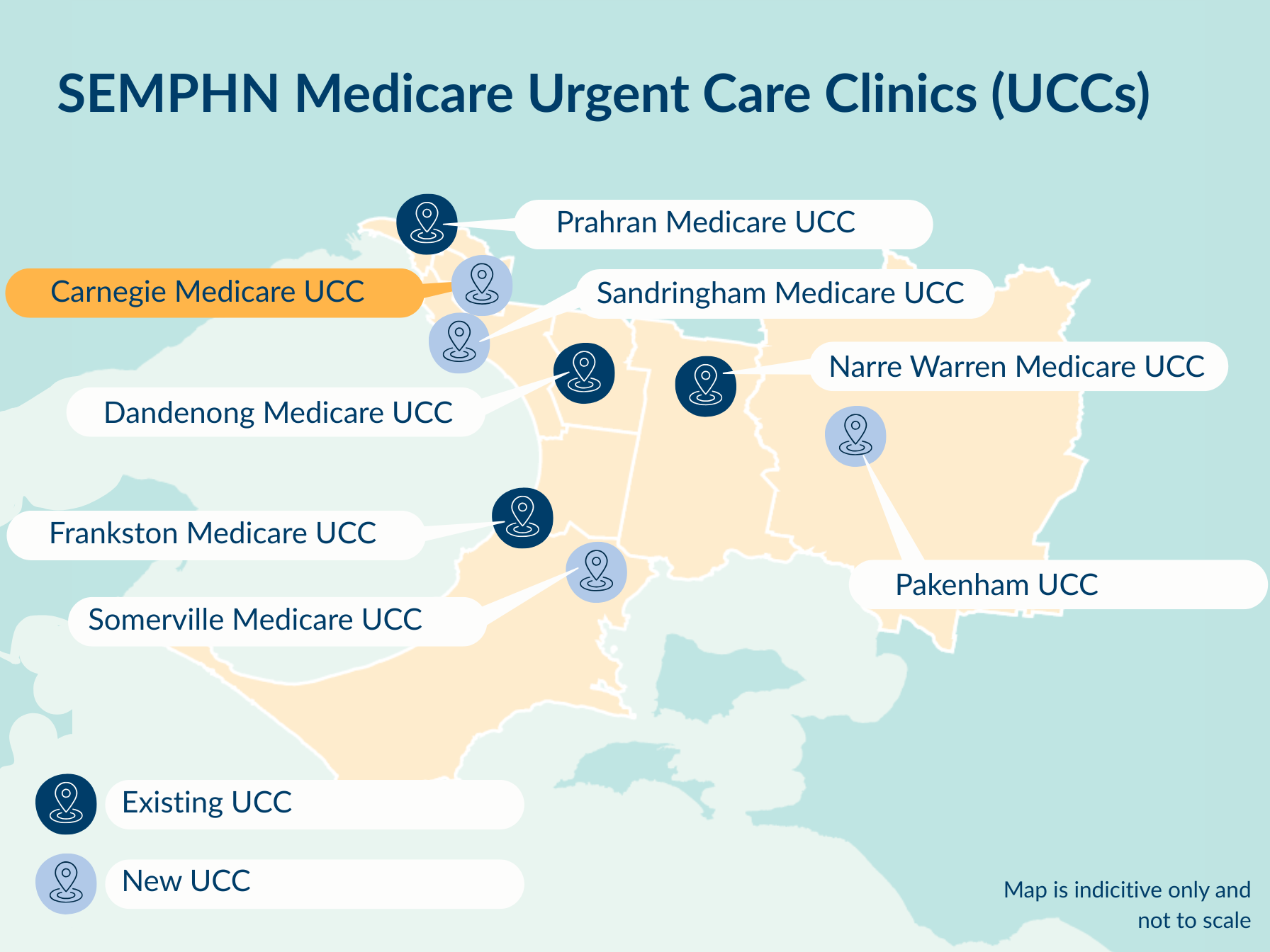
Located at Level 2, 2 Koornang Road, Carnegie, within Carnegie Central Medical Clinic, the service opened on 15 December and operates 14 hours a day, seven days a week, providing walk-in care for urgent but non-life-threatening conditions.
The clinic has already supported 1,182 visits, with early feedback highlighting convenient access and timely care.
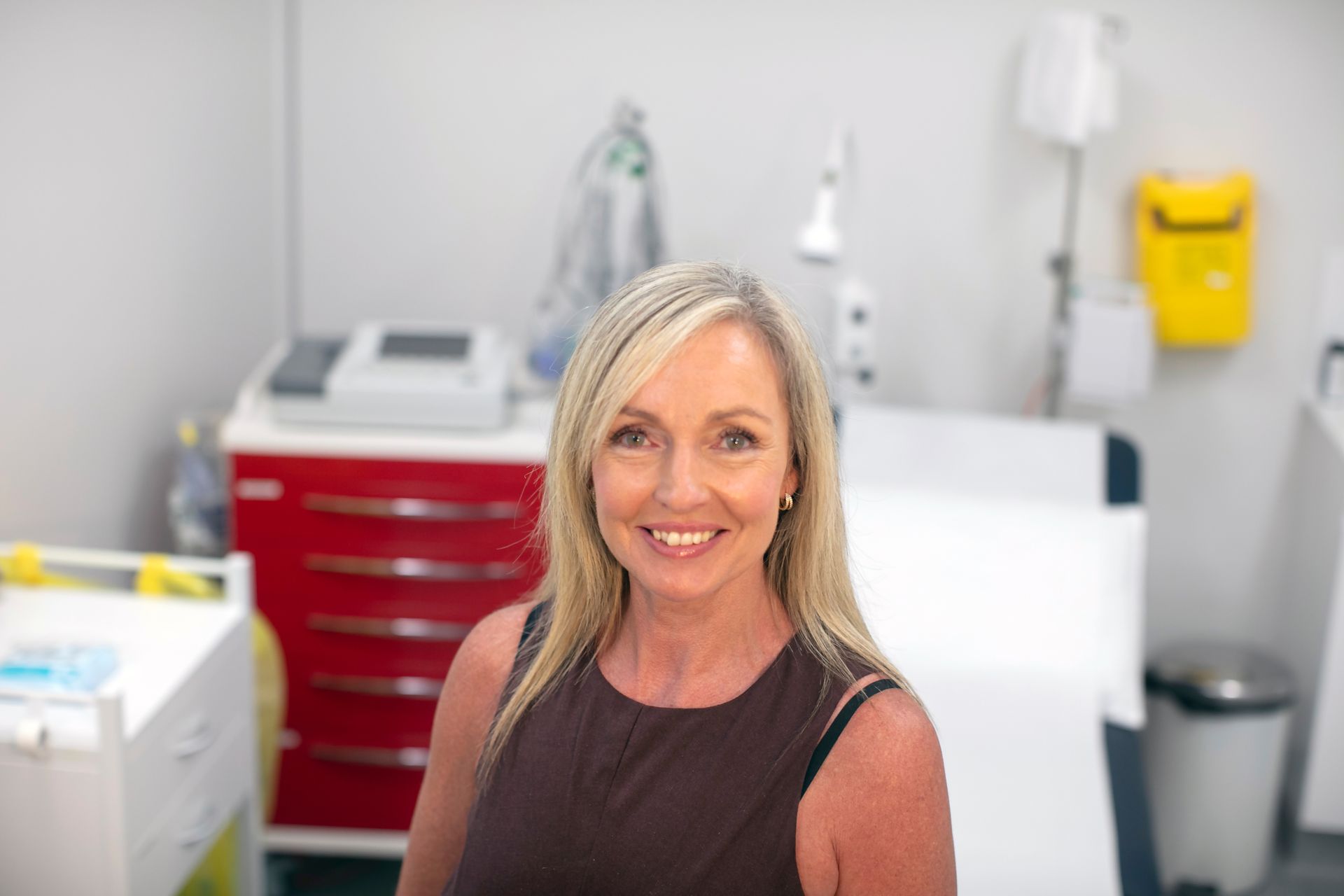
Pictured: Practice Manager Samantha Allen said the service is already benefiting the local community.
“Patients are telling us the clinic is convenient and quick. Many have shared they would have otherwise attended an emergency department, so they value being seen sooner,” Samantha said.
Supporting timely care and reducing ED demand
Medicare Urgent Care Clinics treat conditions that require prompt attention while helping reduce pressure on busy emergency departments.
GP Dr Virginia Hamilton recently treated a patient who had delayed care after waiting several hours in hospital.
“Walk-in urgent care means patients can usually see a doctor much sooner,” Dr Hamilton said. “Providing a bulk-billed urgent service also removes cost barriers and offers a practical alternative to emergency departments.”
The clinic supports patients when their regular GP is unavailable or when care cannot wait.
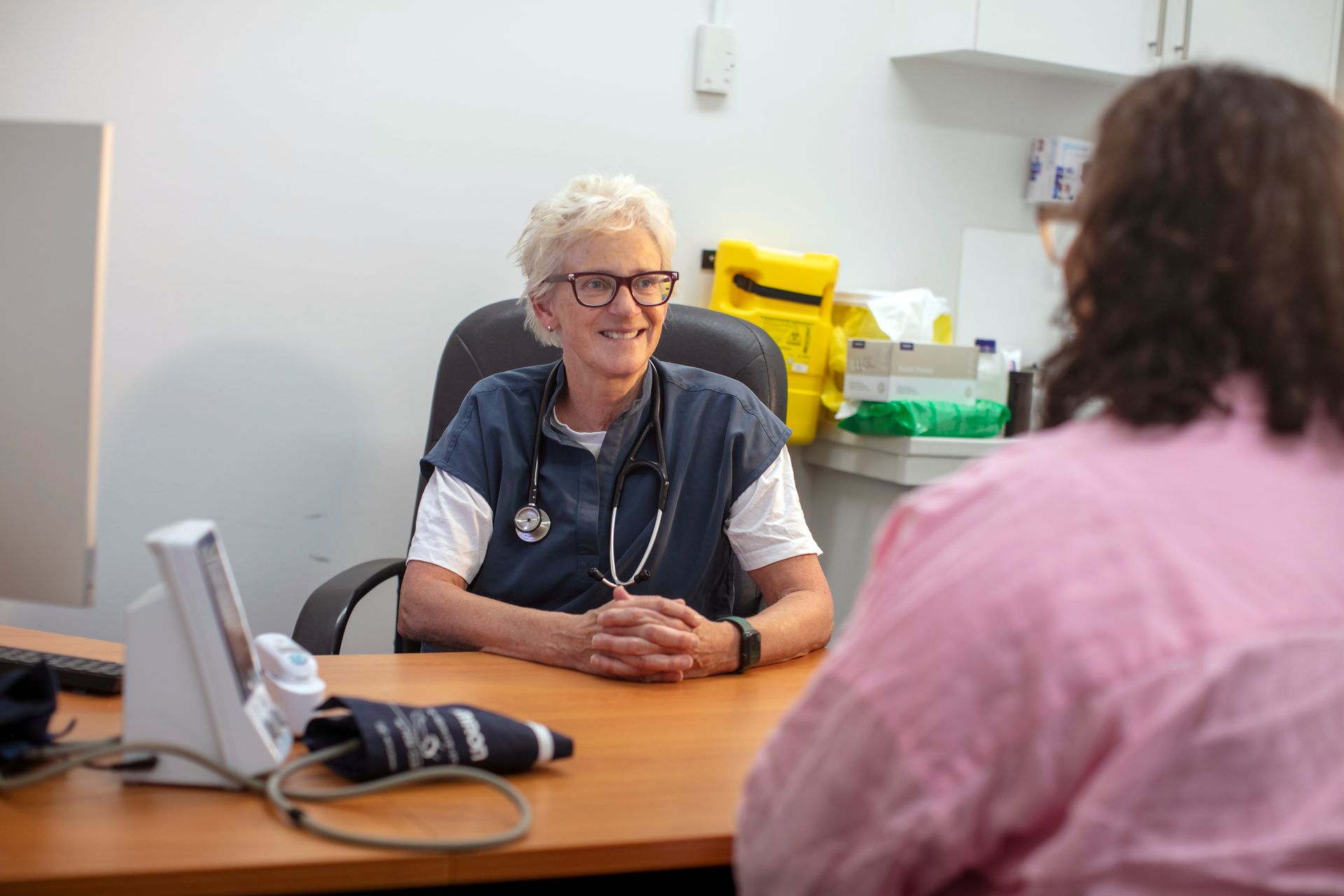
Pictured: Carnegie Medicare Urgent Care Clinic GP, Dr Virginia Hamilton
Treating common urgent conditions
Since opening, clinicians have treated a range of conditions including sprains, minor fractures, cuts, fever in children and gastroenteritis.
Co-location with nearby diagnostic services supports timely assessment and treatment.
“Patients can have an X-ray close by and return straight away so we can review the results,” Dr Hamilton said.
Demand has remained steady, with weekends averaging around 50 patients per day.
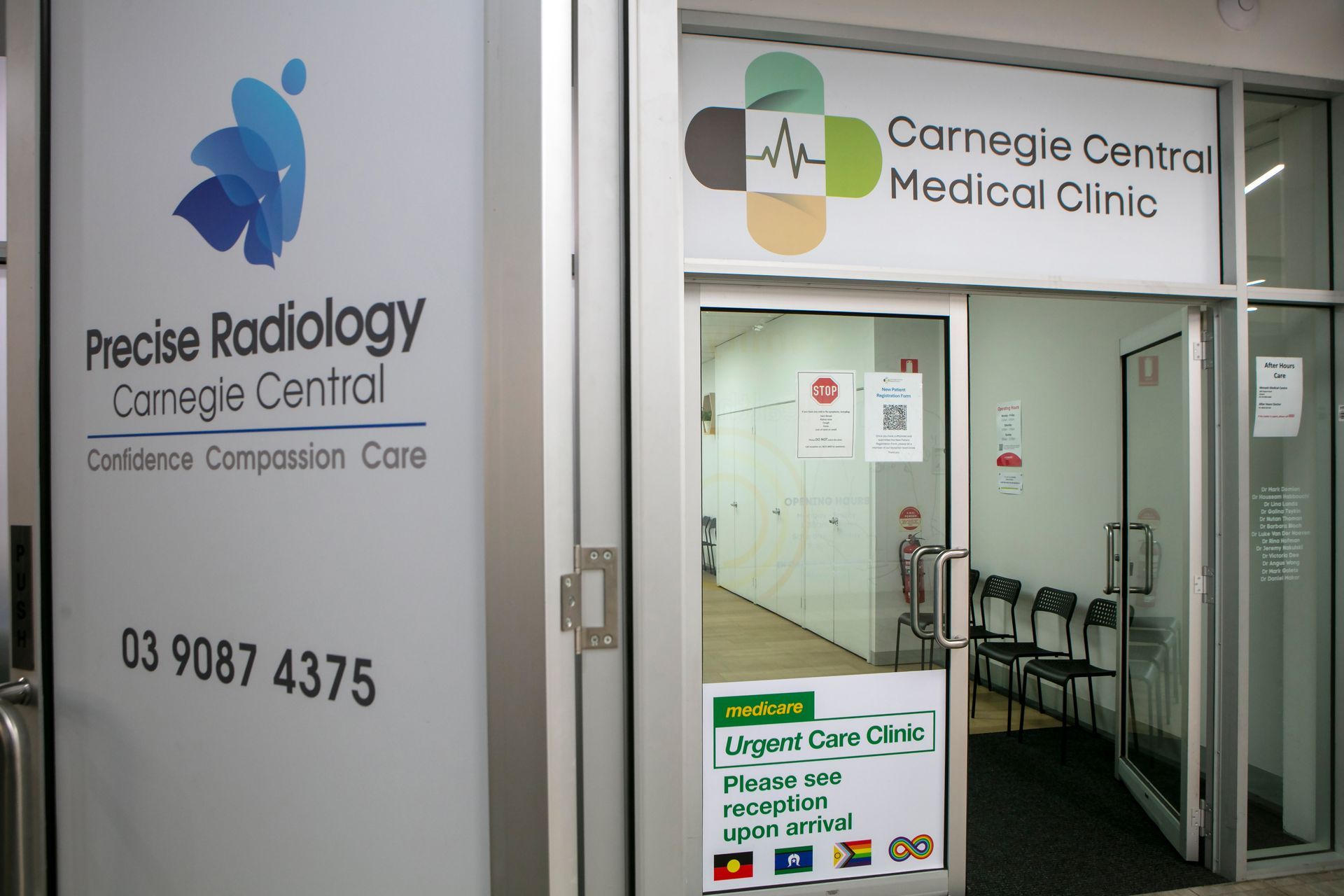
Pictured: Co-location with Precise Radiology supports timely assessment and treatment.
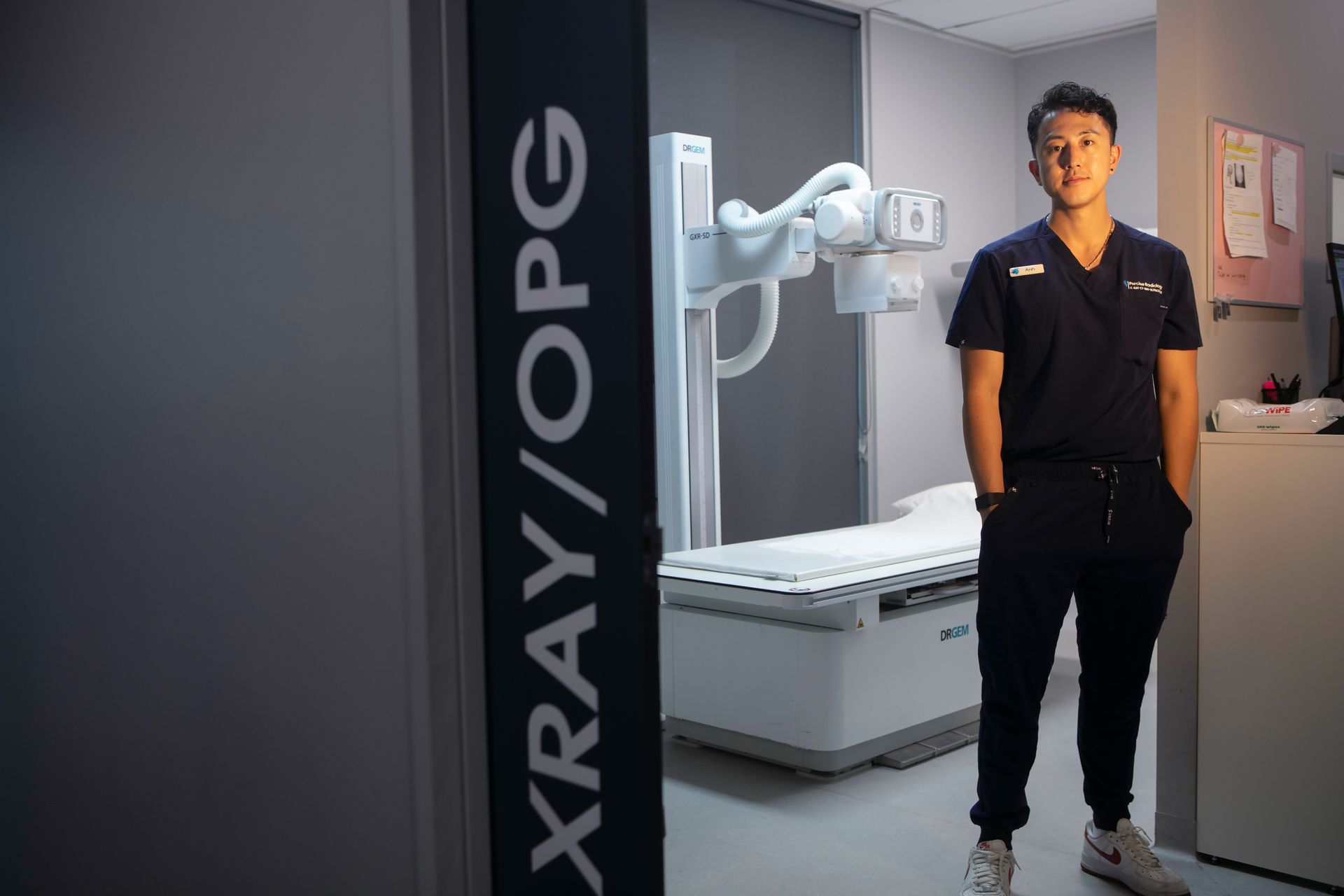
Pictured: Anh My Tran, Company Director from Precise Radiology
Complementing general practice
The clinic works alongside local GPs by providing urgent care when appointments are unavailable and communicating back to support ongoing treatment.
“We treat urgent issues and ensure patients return to their regular GP for follow-up care,” Samantha said.
For many patients, this provides a clear pathway between general practice and hospital care.
When to visit a Medicare Urgent Care Clinic
Visit a Medicare UCC if:
- Your regular GP is unavailable and your condition cannot wait
- You need urgent care for a non-life-threatening illness or injury
- You would otherwise consider attending an emergency department
Visit our page to find your nearest Medicare Urgent Care Clinic.
In an emergency, always call Triple Zero (000).
Latest news