Childhood immunisation – one more way to keep them safe
Home / News & Opportunities / Latest news / Current post
Recommendations from healthcare professionals play an important role in parents/guardians’ decisions about childhood vaccination. These recommendations are informed by the National Immunisation Program (NIP) schedule, which outlines the vaccinations recommended for all children in Australia.
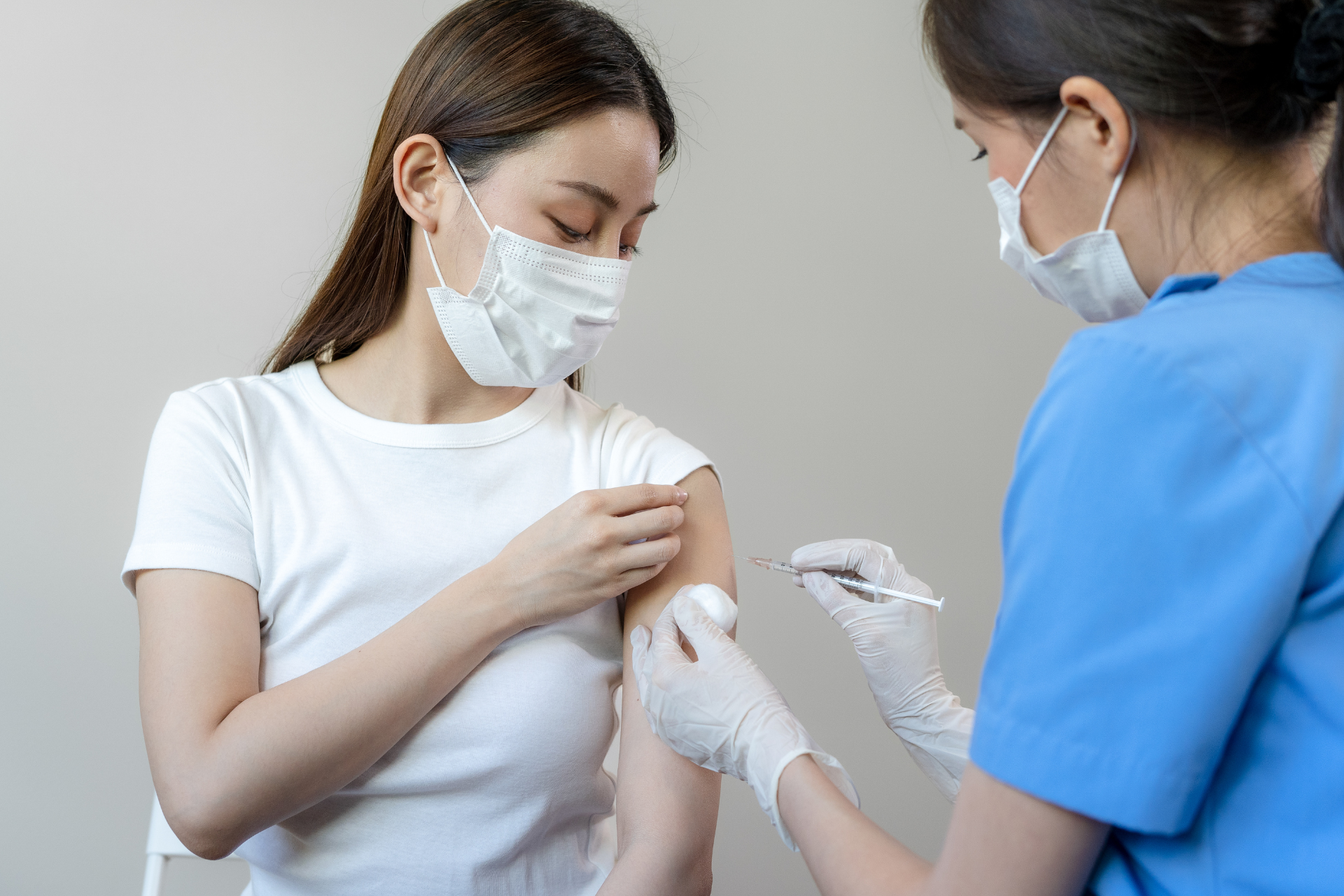
Vaccinations are a safe and effective way to protect children from serious diseases and are free for babies and children up to 4 years at scheduled times under the NIP.
The program’s schedule has recommended vaccines for children from birth to 4 years to help protect against diseases such as:
- whooping cough
- meningococcal (ACWY)
- measles
- diphtheria
- pneumococcal.
Following up on children who have missed vaccines
The childhood immunisation schedule is carefully planned to protect babies and children from as young as possible, and when they need it most. Vaccinating on time and in line with the NIP schedule gives the best protection against preventable diseases.
Reports from the Australian Immunisation Register (AIR) can be accessed to assist in identifying children at your practice who have missed scheduled vaccines at a certain age (AIR010A report). Reports covering due and overdue children by locality and by vaccination provider (AIR011A and AIR011B) are also available.
Healthcare professionals can use these reports to monitor children’s vaccination status, implement reminder and recall systems, and identify opportunities to provide more accessible and flexible vaccinations services for harder-to-reach children.
Start the conversation
Healthcare providers are encouraged to start conversations about childhood vaccination early with their patients.
To support these discussions, the Department of Health, Disability and Ageing has released an information kit for health professionals.
Resources included in this kit:
- answers to common questions from parents and carers
- support for conversation approaches to childhood immunisation
- following up on children who have missed scheduled vaccines
- immunisation clinical support.
Latest news