Respiratory infections on the rise in Victoria
Home / News & Opportunities / Latest news / Current post
August 26, 2026
In Victoria, cases of influenza (flu) and COVID-19 are increasing, while respiratory syncytial virus (RSV) cases remain high after peaking in July. Health service visits for respiratory illnesses have also been increasing.
Flu, COVID-19 and RSV are among the respiratory infections that typically peak during winter and early spring. This year, increases in these infections are occurring later than usual.
Respiratory infections can affect people of all age groups. Young children, pregnant women, older adults and people with underlying medical conditions or a weakened immune system are most at risk of severe illness and hospital admission from respiratory infections.
Recommendations for healthcare professionals:
- Ensure those most at risk of severe illness are up to date with vaccinations for respiratory infections such as flu, COVID-19 and RSV:
- Offer annual influenza vaccination to everyone aged 6 months and older.
- Offer Abrysvo® RSV vaccine to eligible pregnant women (from 28 weeks), nirsevimab (Beyfortus™) RSV monoclonal antibody to eligible infants and Arexvy® RSV vaccine in eligible older adults.
- Offer COVID-19 vaccination and boosters for recommended people based on age, risk factors and immune status.
- Encourage catch up vaccination for patients who are not up to date with routine immunisations.
- Discuss testing and the early use of anti-viral treatment for flu and COVID-19 for high-risk individuals.
- Stay up to date on trends of acute respiratory infections in Victoria through the Victorian Department of Health's Victorian respiratory surveillance report
Latest news
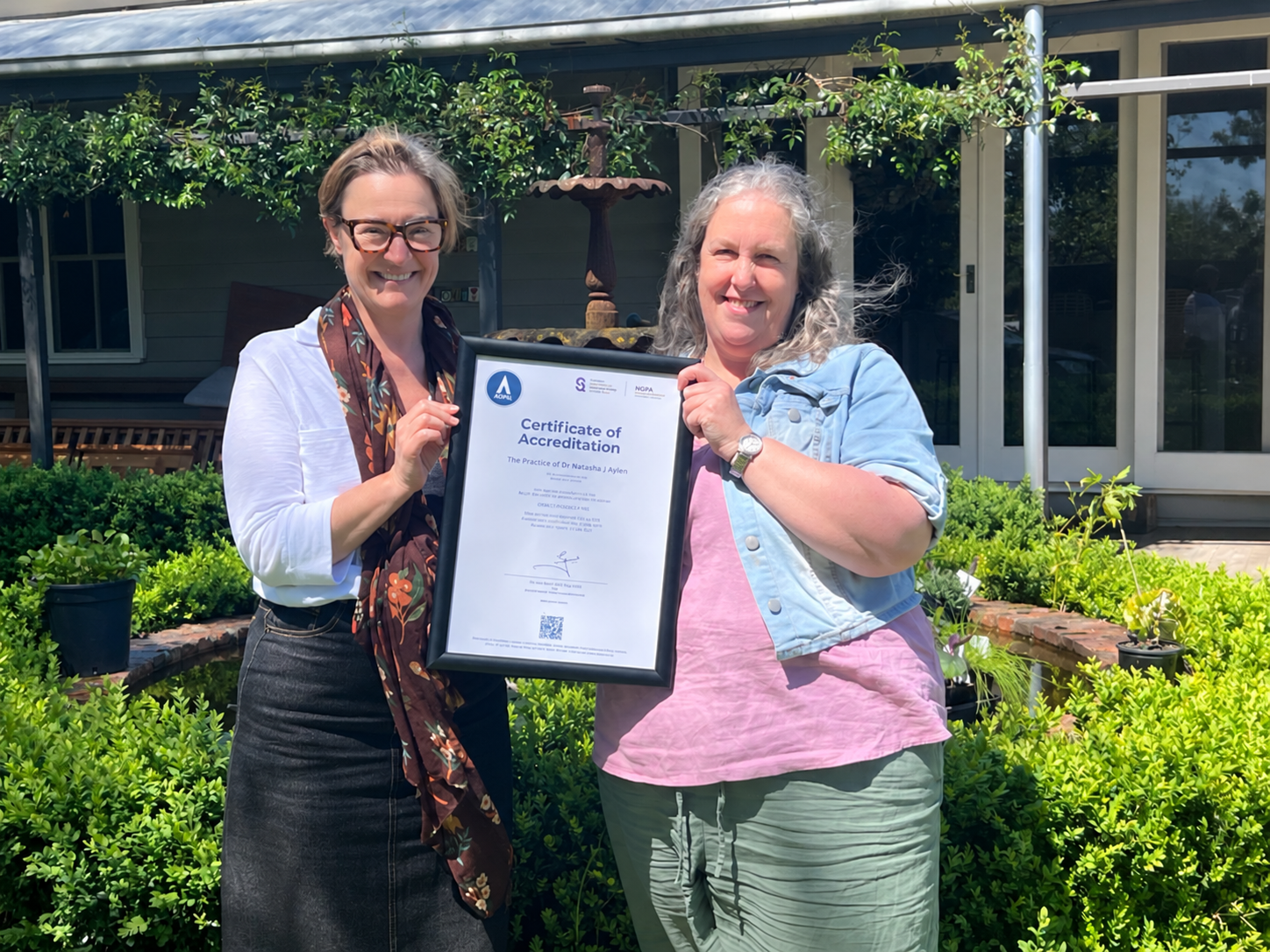
Mornington Peninsula-based practice Fernbank has become the first non-traditional general practice in south east Melbourne to achieve accreditation – an important milestone for a two-person practice delivering care entirely within residential aged care homes.
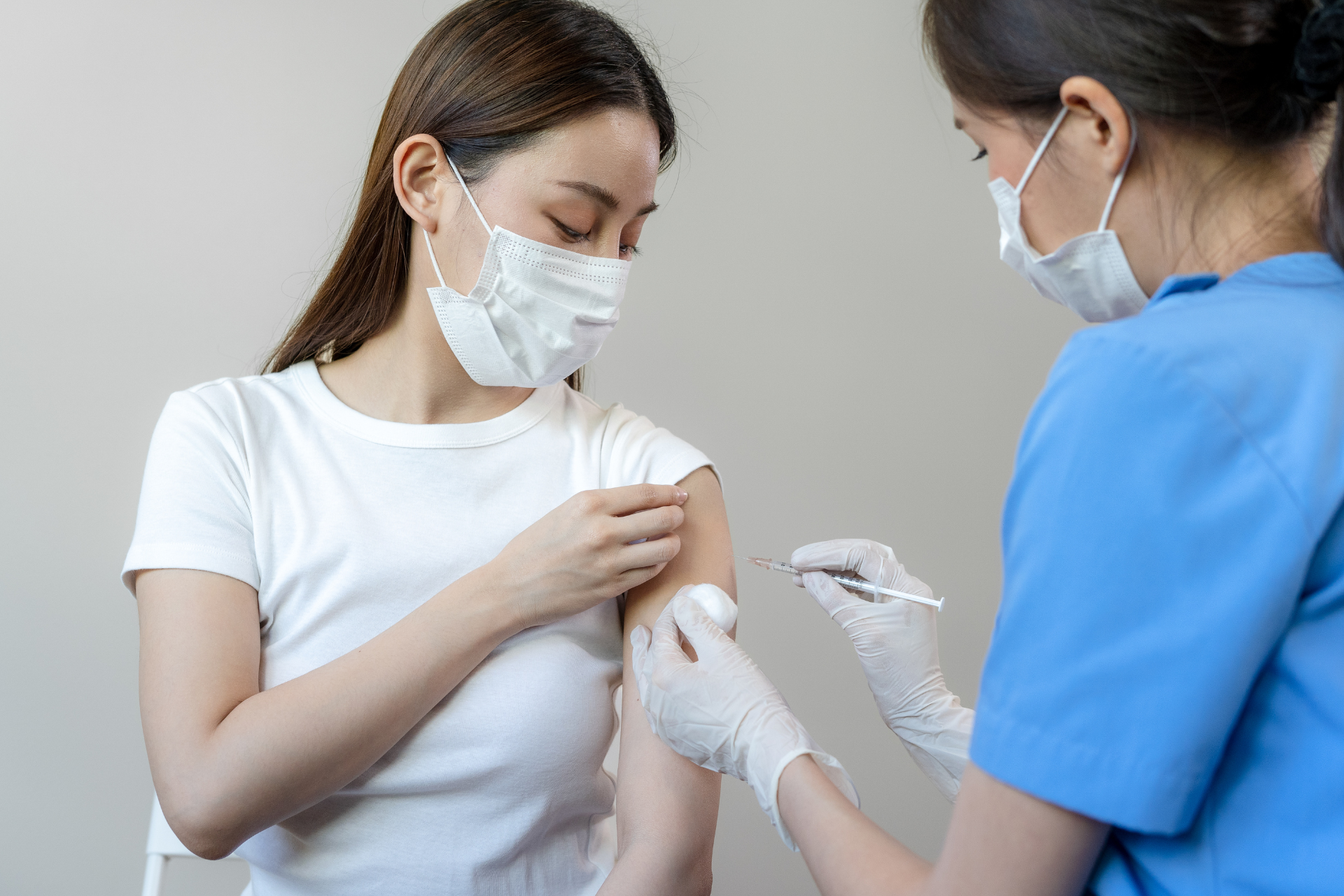
SEMPHN-approved research supported by de-identified general practice data from POLAR has contributed to an important update to national vaccine safety information.

18 October marks World Menopause Day, an annual opportunity to raise global awareness, reduce stigma and provide education around perimenopause and menopause.