Victorians travelling overseas urged to take steps to protect themselves from infections
Home / News & Opportunities / Latest news / Current post
November 16, 2026
With an increased number of Victorians travelling overseas during holiday periods, healthcare professionals play a vital role in ensuring that patients are prepared to stay safe and protected from infections before, during and after travelling.
Depending on travel plans, patients may be exposed to:
- food and water-borne diseases
- respiratory infections
- mosquito and other animal-borne diseases
- sexually transmitted infections
- other diseases that spread from person to person.
Recommendations for healthcare professionals:
- Discuss vaccinations, preventative and routine medications and health precautions with patients planning overseas travel.
- Review immunisation records to ensure routine and recommended vaccinations are up to date.
- Where possible, assess patients at least 6 to 8 weeks before travel to allow time to complete the appropriate course of vaccination.
- Measles cases are increasing globally. It is recommended that all travellers are protected against measles by completing a full course of measles-containing vaccine or having evidence of serological immunity.
- Offer free measles-mumps-rubella (MMR) vaccines to people born during or after 1966 who do not have documentation of 2 doses vaccine or are unsure of their vaccination history, regardless of their Medicare status.
- Offer a free early dose of MMR vaccine to infants from 6 to 11 months of age prior to overseas travel. These infants still require the routine childhood vaccination doses of MMR vaccine at 12 months and measles-mumps-rubella-varicella (MMRV) vaccine at 18 months of age.
- A live-attenuated dengue vaccine called Qdenga® is now available in Australia to protect against dengue in people aged 4 years or older. It is recommended for those who are travelling to endemic areas, based on their travel duration and previous history of infection, or those with occupational exposure risk. For more advice, refer to the Australian Technical Advisory Group on Immunisation’s statement.
- Hepatitis A infections are commonly associated with travel to Asia, the Middle East and Western Pacific regions. Ensure travellers to these regions have immunity or are vaccinated against hepatitis A before travel and are advised to follow good hand hygiene and food and water safety practices while overseas.
- Refer to Smartraveller and Vaccination for international travellers | The Australian Immunisation Handbook for guidance on travel risks and vaccine recommendations and eligibility.
- For more disease specific information, search for the disease at Disease information and advice | health.vic.gov.au.
Latest news
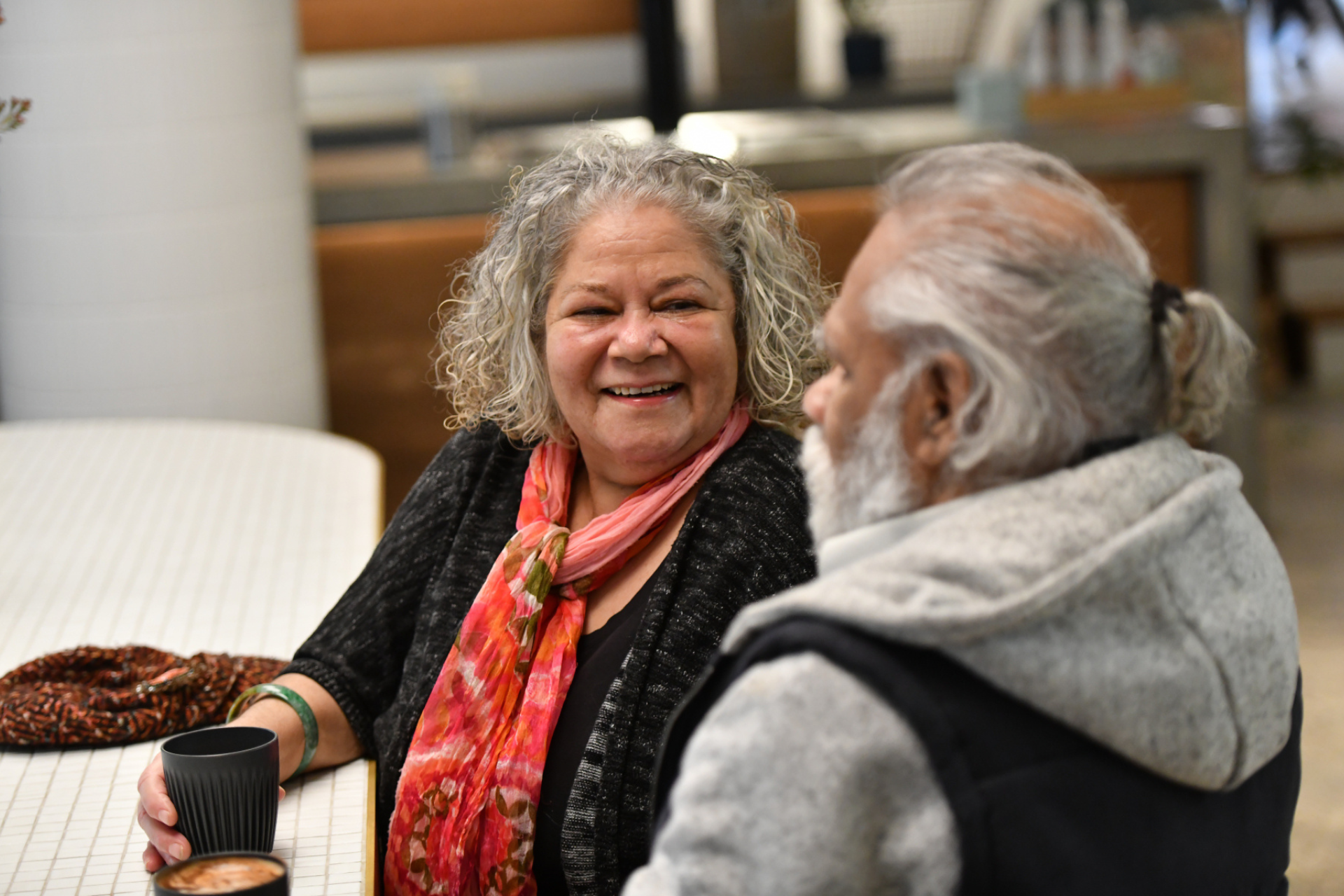
Do you know a First Nations carer supporting a loved one experiencing challenges related to alcohol and other drugs, or mental health? Delivered by Windana and funded by SEMPHN, the First Peoples’ Carers Program is a free group program that offers an opportunity to connect with others in a safe, culturally supportive environment.
New statewide referral criteria for 7 children’s medicine conditions come into effect from 1 December 2026 in all Victorian public hospitals.

From 28 October 2026, rubella and congenital rubella will change from being ‘routine’ to ‘urgent’ notifiable conditions in Victoria under the Public Health and Wellbeing Regulations 2019.