An extra pair of hands: Supporting GPs to care for patients with complex needs
Home / News & Opportunities / Latest news / Current post
Funded by South Eastern Melbourne Primary Health Network (SEMPHN), Silverchain’s Care Coordination Support Service (CCSS) is supporting general practices across south east Melbourne to better care for patients with chronic and complex needs.
Delivered by Silverchain, CCSS provides short-term care coordination support that complements GP-led care and Chronic Condition Management (CCM) plans, helping patients stay well between visits and connected to the services they need.
Dr Gowri Ratnavelar operates a general practice clinic in Dandenong that partners with Silverchain through the CCSS to support patients with complex health and social needs.
Dr Gowri’s clinic first became involved with the service after an initial outreach from Sharita Medell, Clinical Service Lead of the Care Coordination Support Service.
“We received an email introducing Silverchain’s services, followed by a face-to-face meeting to clarify what was offered, eligibility criteria, and their capacity,” Dr Gowri said. “Patients already on NDIS aren’t eligible. Many of our patients are refugees with multiple medical, physical, mental health, and alcohol issues, making them a fit for the program.”
Through SEMPHN’s funding of the CCSS, general practices like Dr Gowri’s are supported with additional care coordination capacity that works alongside GP clinical care, rather than replacing it.
Dr Gowri highlighted the impact of the service on a highly vulnerable population, notably Sri Lankan Tamil refugees and others facing complex health and social challenges.
“Silverchain’s input has played a bigger role in our clinic. Many patients appreciate the support they’ve received. The team communicates well, follows up on referrals, and requests further information when needed,” she said.
The service helps patients with chronic and complex needs to attend their appointments and to access services.
“Silverchain’s team encourages their attendance, sometimes providing transport. One patient who became homeless due to family violence received practical guidance and support to navigate services. As GPs, we can’t do it all. Silverchain gives us an extra pair of hands and invaluable experience,” Dr Gowri said.
Supporting patients to remain well in the community and avoid preventable hospital admissions is a key focus of SEMPHN’s investment in care coordination services.
“Patients with serious alcohol problems or mental health crises who were admitted to hospital have been able to remain in the community with Silverchain’s ongoing support. This has minimised repeat hospitalisations,” Dr Gowri said.
Dr Gowri’s clinic has also adopted a compassionate policy for patient’s ineligible for Medicare.
“We see regular patients without Medicare at no cost, especially those who’ve temporarily lost access. It’s our commitment to community care,” she said.
Feedback from patients has been overwhelmingly positive.
“They’re grateful for the support and help, but relapse is common and long-term change is hard. We give them every chance to improve, even if some struggle repeatedly,” Dr Gowri said.
Referring patients is straightforward.
“There’s a standard referral letter. Silverchain contacts the patient and follows up with the clinic if more information is needed. It couldn’t be easier,” Dr Gowri said.
The funded CCSS is available across all ten local government areas in South Eastern Melbourne.
For more information about the Care Coordination Support Service, contact Silverchain on 1300 650 803. Practices can also request more information or an in-service to learn more about the CCSS by emailing SEVIC@silverchain.org.au.
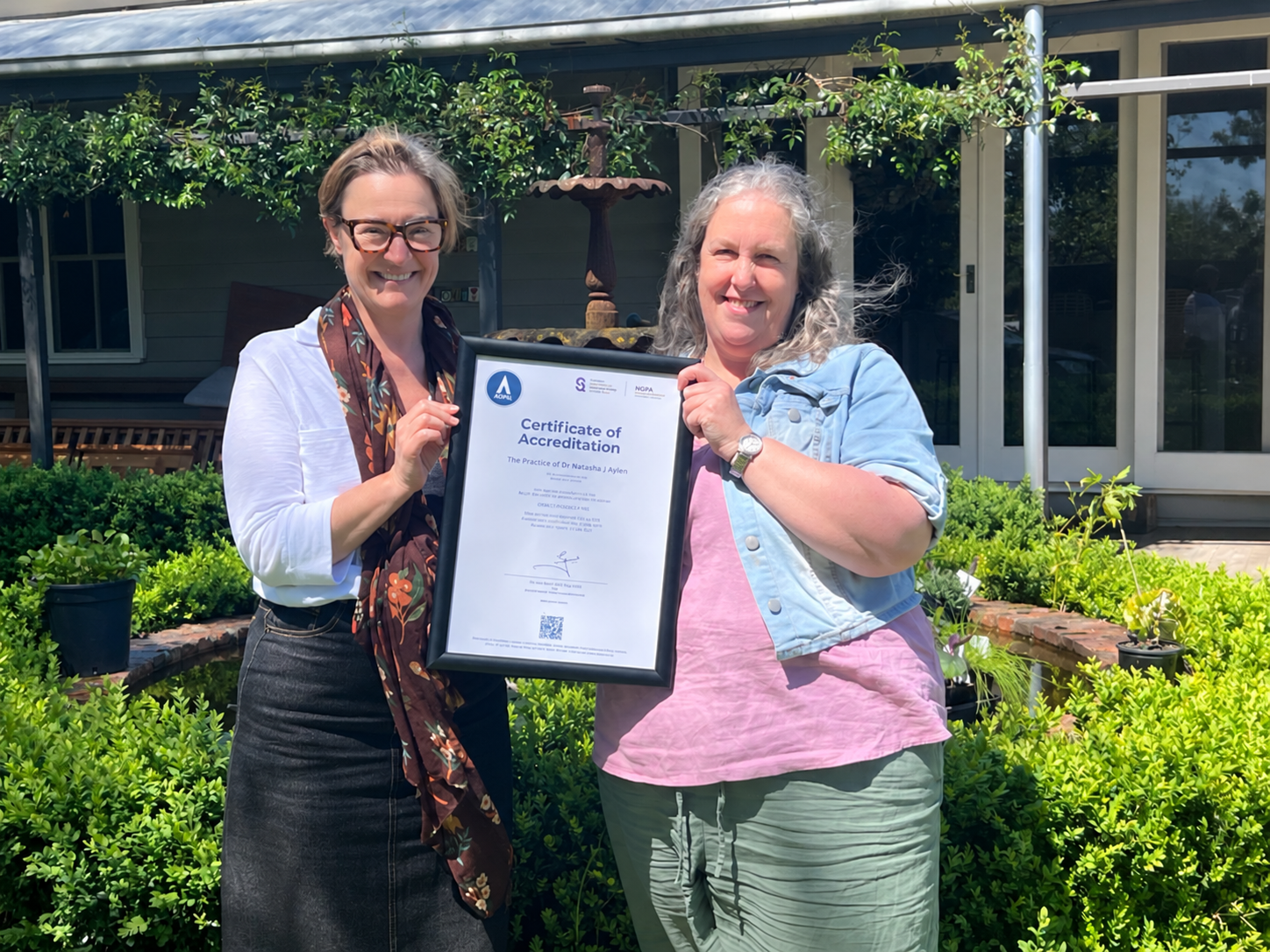
Featured image: Dr Gowri Ratnavelar (middle) at GPG GP Clinic with Silverchain representatives (image credit: Silverchain)
Latest news