National Menopause and Perimenopause Awareness Campaign
Home / News & Opportunities / Latest news / Current post
June 3, 2026
The Australian Government has launched the National Menopause and Perimenopause Awareness Campaign to improve access to reliable information and support for women aged 35 and over who are going through this life stage.
Information and resources are now available for health professionals on the campaign website, health.gov.au/perimenopause.
The website brings together evidence-based information, practical resources and personal stories to help build understanding and support informed conversations between women and their health professionals.
Resources for health professionals include:
- A dedicated webpage for health professionals with links to best practice guides, and information on professional development, training, health assessments, and symptom management
- A poster for display in practices to encourage patients to discuss potential symptoms during consultations
- A brochure about menopause and perimenopause, including common symptoms, and management and support options available
- A symptom checklist that patients can bring to appointments to help identify symptoms and guide discussions with their health professional.
Additional resources will be released over the coming months, with updates available on the website.
For more information, visit health.gov.au/perimenopause.
Latest news
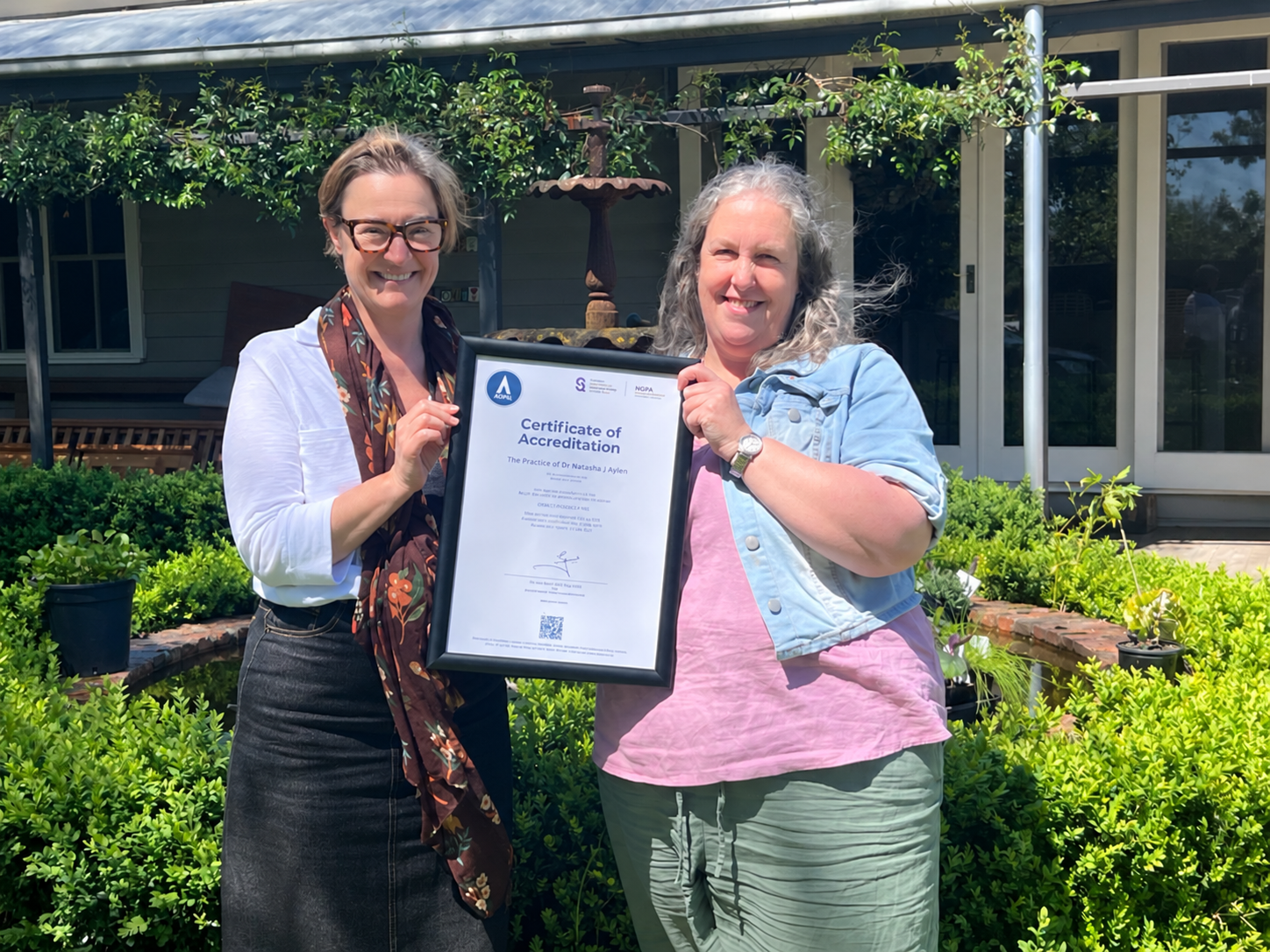
Mornington Peninsula-based practice Fernbank has become the first non-traditional general practice in south east Melbourne to achieve accreditation – an important milestone for a two-person practice delivering care entirely within residential aged care homes.

SEMPHN-approved research supported by de-identified general practice data from POLAR has contributed to an important update to national vaccine safety information.

18 October marks World Menopause Day, an annual opportunity to raise global awareness, reduce stigma and provide education around perimenopause and menopause.