Get ready for grass pollen season
Home / News & Opportunities / Latest news / Current post
Grass pollen season (1 October to 31 December) brings an increase in asthma and hay fever and the chance of thunderstorm asthma.
For people with asthma or hay fever, especially those who experience wheezing or coughing with their hay fever, thunderstorm asthma can be sudden, serious and even life threatening. It’s important for people with asthma or hay fever to know about thunderstorm asthma and what they can do to help protect themselves and those within their care during grass pollen season.
What is thunderstorm asthma?
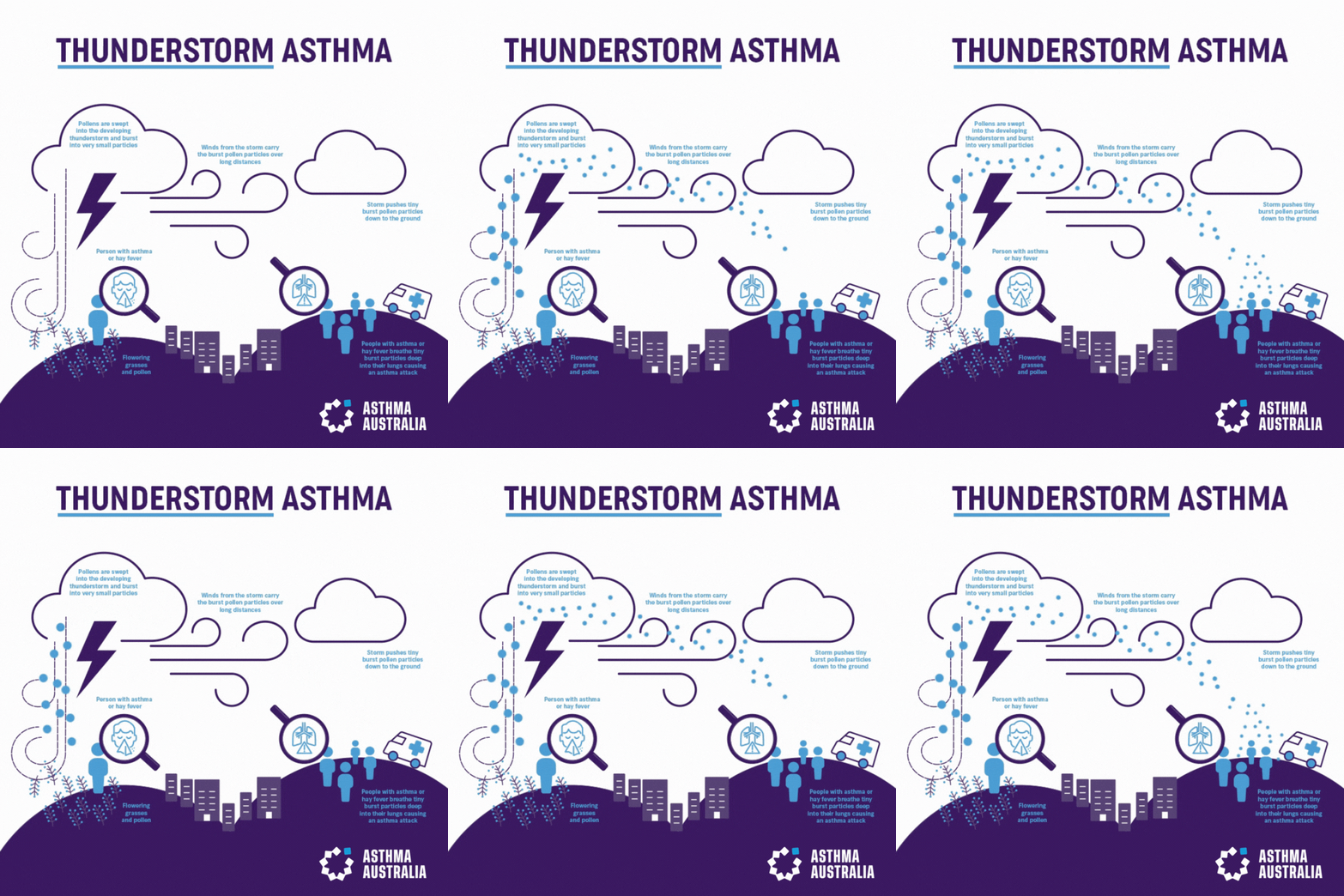
Thunderstorm asthma is thought to be triggered by a unique combination of high amounts of grass pollen in the air and a certain type of thunderstorm. For people who have asthma or hay fever this can trigger severe asthma symptoms.
Grass pollen grains get swept up in the wind and carried for long distances; some can burst open and release tiny particles that are concentrated in the wind gusts that come just before a thunderstorm.
These particles are small enough to be breathed deep into the lungs and can rapidly trigger asthma symptoms, making it difficult to breathe.
Ensure at risk patients know asthma first aid and see their GP to develop or review their asthma action plan and ensure any hay fever is well managed. People with undiagnosed asthma who experience symptoms such as wheezing and breathlessness should also see their GP for an assessment.
Victorians have access to the epidemic thunderstorm asthma risk forecasting system daily from 1 October to 31 December through VicEmergency, where you can also set up a watch zone for your area through the app. The forecast can also be accessed on Health.vic or the Melbourne Pollen website and app.
Information for the community is available on the Better Health Channel or Asthma Australia website.
Information and resources for health professionals is available on the Health website.
Latest news