SEMPHN’s position statement on a Victorian Treaty
Home / News & Opportunities / Latest news / Current post
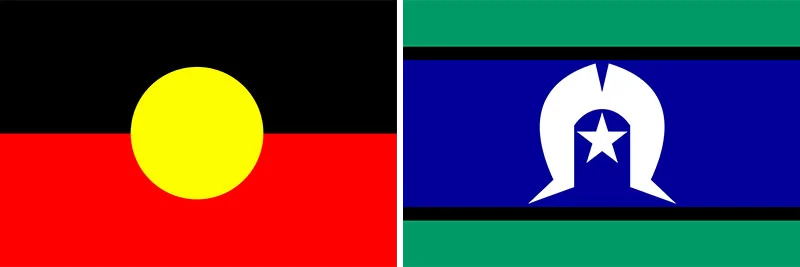
For eight years, Victoria has led the way in establishing structures so that the Victorian Government and democratically elected First Peoples’ Assembly of Victoria can negotiate Treaty/Treaties. Direct Treaty negotiations have now concluded, and the Treaty is now with the Victorian Parliament.
As an organisation which supports services for First Nations, we know that the community continues to experience:
- the lowest rates of home ownership and worst rates of homelessness
- the poorest health and life expectancy
- the worst rates of problem gambling and drug dependence; and
- the world’s highest incarceration rates.
Treaty is an important step towards self-determination for First Nations. First Nations communities know best that:
- Creating local solutions will change lives. Treaty will bring about real, meaningful change for Aboriginal Victorians and improve their health and wellbeing.
- Treaty is an opportunity for diverse voices to collectively build a more inclusive State where all Victorians can thrive.
As a First Nations ally, SEMPHN strongly supports the Victorian Treaty negotiations, as we did the Voice to Parliament in 2023. We stand with the Victorian Aboriginal Community Controlled Health Organisation (VACCHO) and the First Peoples’ Assembly of Victoria in their commitment to Treaty.
As allies, SEMPHN will continue to support First Nations People and have actively signed up as allies of the First Peoples’ Assembly of Victoria and openly continue to advocate for Treaty, respect, culture and leadership. You can do the same here, individually if you so choose.
Written by SEMPHN Clinical and Community Council First Nations’ members, Dr Luke Martin and Brenda McDermott, on behalf of SEMPHN.
Latest news